

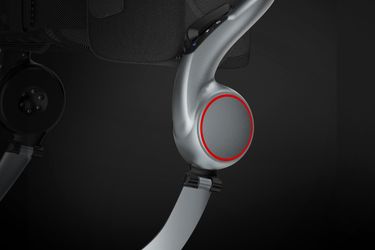
How Do Exoskeleton Legs Work?
They look sleek, powerful, and futuristic — but how do exoskeleton legs actually work? These wearable robotic legs are designed to help you walk with less effort and more endurance. Let’s break down how the technology moves in sync with the human body.
The Basics
Exoskeleton legs use three main components:
Sensors — detect when and how you move.
Motors (or actuators) — provide the extra push your muscles need.
Control system — makes sure everything moves in harmony with your body.
When you take a step, sensors instantly read your body’s motion. The system then activates small motors at your hips, knees, or ankles to give you a gentle boost — making each stride feel lighter and more powerful.
Designed for Real Movement
Modern exoskeleton legs are built for comfort and flexibility. They’re made of lightweight materials like aluminum or carbon fiber, and powered by compact rechargeable batteries. Some even adjust automatically to your walking speed or terrain, helping you stay balanced on uneven ground.
Where They’re Used
Work environments: To make long walks or heavy tasks less tiring.
Outdoor travel: For long-distance walking or exploration.
Training and fitness: To support high-endurance routines.
Why They’re Game-Changing
Exoskeleton legs reduce fatigue, improve walking posture, and make daily movement more efficient. They’re not just machines — they’re companions that help you do more without pushing your body to the limit.
Conclusion
Exoskeleton legs work by enhancing the body’s natural motion with mechanical strength. They represent a future where technology doesn’t replace human ability — it empowers it.
Join our mailing list for exclusive updates and $50 welcome discount.

Support Hours:
Mon - Fri: 9am - 5pm EST
Sat & Sun: Closed
©2026 AstroShell All Rights Reserved