

Can Exoskeletons Help People Walk?
We walk every day — to work, to explore, to keep our bodies strong. But what if technology could make walking easier and more efficient? That’s exactly what exoskeletons are built to do. They don’t replace human effort — they make every step smoother and less tiring.
How Exoskeletons Assist Walking
A walking exoskeleton works like an external muscle system. It senses your movements and gives a little boost at just the right time. When you step forward, it supports your legs and hips, helping you maintain a steady pace with less strain.
The result? You can walk longer distances, carry heavier loads, and use less energy doing it.
Where They’re Being Used
Industrial Work: People who spend hours on their feet can walk and stand longer with less fatigue.
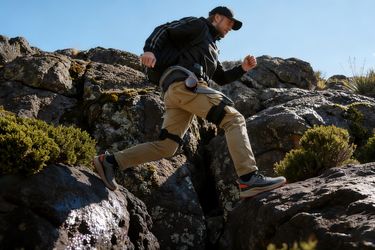
Outdoor Adventures: Hikers and explorers use wearable walking exoskeletons to move across rough terrain with ease.
Fitness and Sports: Some athletes experiment with exoskeletons to improve balance and walking form during training.
The Benefits
Less stress on joints and muscles
Better posture and walking efficiency
Extended endurance during long activities
What’s Next
As designs get lighter and more natural, exoskeletons will become something you can slip on like a backpack. Future models may even adapt automatically to your pace or terrain, giving you the perfect amount of help when you need it.
Conclusion
Exoskeletons can absolutely help people walk — not because we can’t, but because they make walking smarter, lighter, and more efficient. It’s not just about movement; it’s about extending what our bodies can do.
Join our mailing list for exclusive updates and $50 welcome discount.

Support Hours:
Mon - Fri: 9am - 5pm EST
Sat & Sun: Closed
©2026 AstroShell All Rights Reserved