

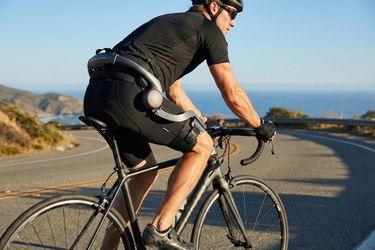
Extreme Weather Powered Exoskeleton: Performing from -4℉ to 140℉ in Any Condition
As powered exoskeletons move beyond labs and factories into outdoor, industrial, and mobility-focused use cases, one challenge becomes unavoidable: extreme environments. From freezing winter terrain to scorching desert heat, real-world users need an extreme temperature exoskeleton that performs consistently, safely, and reliably. Weather resistance is no longer a bonus feature — it’s a core requirement for all-season mobility.
This article explores how modern powered exoskeletons handle cold and heat, what design choices enable true environmental adaptability, and why year-round reliability is critical for long-term use.
Cold Weather Leg Exoskeleton Resilience: Conquering Winter Conditions
Low temperatures present a unique set of challenges for powered mobility devices. Batteries lose efficiency, mechanical components stiffen, and sensors can struggle with accuracy. A well-designed cold weather leg exoskeleton must overcome all of these without compromising performance or safety.
Battery technology is the first line of defense. Advanced battery management systems regulate discharge rates and protect cells from cold-induced voltage drops. Paired with insulated housings and smart thermal control, modern exoskeletons maintain stable power output even as temperatures fall well below freezing. This ensures consistent torque assistance during walking, climbing, or load-bearing tasks.
Mechanical resilience matters just as much. Cold-rated materials, sealed joints, and low-temperature lubricants prevent stiffness and friction from degrading movement. At the same time, sensor calibration algorithms compensate for temperature-related signal drift, keeping gait detection and assist timing precise.
Together, these features allow a weatherproof powered exoskeleton to operate smoothly in winter environments such as snow-covered trails, cold storage facilities, or alpine terrain — without forcing users to sacrifice mobility or endurance.
Heat Performance: How Powered Exoskeletons Maintain Power in Desert Climates
At the other extreme, high heat puts continuous stress on motors, electronics, and batteries. In desert or tropical environments, a heat resistant exoskeleton must manage thermal buildup while sustaining assist output.
Efficient motor design plays a key role here. High-efficiency motors generate less waste heat, while intelligent power distribution prevents unnecessary energy spikes during repetitive movements. Passive cooling structures and heat-dissipating materials further help regulate internal temperatures without adding bulk.
Battery safety is equally critical. Thermal monitoring systems actively track cell temperature, adjusting output or triggering protection protocols long before overheating becomes a risk. This allows powered exoskeletons to deliver reliable assistance even when ambient temperatures approach extreme highs.
For users working or traveling in hot climates, this heat resilience translates directly into confidence. Whether crossing open terrain or operating under prolonged sun exposure, all-season exoskeleton mobility depends on stable performance under thermal stress.
Year-Round Exoskeleton Reliability: Real-World Testing in Extreme Environments
True reliability can’t be proven in controlled indoor tests alone. A genuinely extreme temperature exoskeleton is validated through real-world exposure — repeated use across seasons, climates, and terrain types.
Environmental sealing protects electronics from dust, moisture, and sudden temperature changes. Structural components are stress-tested for thermal expansion and contraction, ensuring long-term durability. Software systems are trained to adapt dynamically, fine-tuning assist profiles as conditions change throughout the day or across regions.
This holistic approach to environmental adaptability allows powered exoskeletons to function not just occasionally, but consistently — regardless of weather. The result is a mobility system users can depend on year-round, rather than a fair-weather tool.
Designed for Real Conditions: AstroShell Alpha 1 Pro Exoskeleton
For users seeking dependable performance across extreme environments, the AstroShell powered exoskeleton is engineered with real-world conditions in mind. Built to operate reliably from -4℉ to 140℉, AstroShell Alpha 1 Pro Exoskeleton combines sealed structural design, intelligent thermal management, and robust power systems to support true all-season exoskeleton mobility.
Whether navigating cold winter landscapes or enduring intense heat during long outdoor sessions, AstroShell Alpha 1 Pro Exoskeleton delivers stable assistance without interruption. Its focus on environmental resilience makes it a strong option for users who demand consistent performance from a weatherproof powered exoskeleton, no matter where their journey leads.
Join our mailing list for exclusive updates and $50 welcome discount.

Support Hours:
Mon - Fri: 9am - 5pm EST
Sat & Sun: Closed
©2026 AstroShell All Rights Reserved