

Maintenance Made Simple: Keeping Your 2kg Powered Leg Exoskeleton in Peak Condition
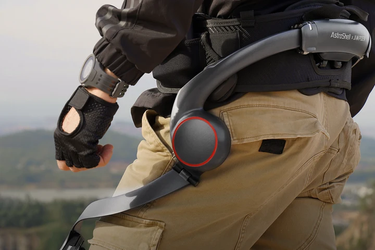
Investing in wearable robotics transforms how you tackle challenging terrains, whether you are embarking on a grueling multi-day trail run, scaling rocky inclines, or carrying heavy photography equipment across the backcountry. The Alpha 1 Leg Exoskeleton, engineered with an aerospace-grade magnesium alloy body weighing a mere 4.4 lbs, is meticulously designed to withstand the rigors of the outdoors while actively reducing hip lift stress by up to 50%. However, like any piece of high-performance gear featuring precision planetary gearboxes and complex multi-sensor systems, routine mechanical upkeep is non-negotiable. This comprehensive exoskeleton maintenance guide provides exactly what you need to keep your advanced mechanical companion operating flawlessly in the wild. By following a highly structured approach to cleaning, physical inspection, and intelligent power management, you ensure that your wearable device continues to deliver its reliable 1000W peak power assistance on every steep ascent. Neglecting this hardware means sacrificing efficiency; mastering its care means unlocking years of unprecedented trail endurance and unmatched ergonomic support.
Daily Care Routines: 5-Minute Exoskeleton Maintenance Protocol
Essential Exoskeleton Care Instructions for Post-Hike Cleanup
After a physically demanding day navigating muddy trails, wet foliage, or dusty mountain paths, the very last thing most hikers want to do is spend hours detailing their equipment. Fortunately, effective powered exoskeleton care does not require a specialized mechanic's workshop, expensive industrial cleaners, or a massive time commitment. Establishing a swift, systematic post-hike routine prevents destructive debris from compromising the motor-assisted mechanical systems and keeps the sensitive adaptive algorithms functioning with pinpoint accuracy.
Here are the standard exoskeleton care instructions you should incorporate into your immediate post-activity wipedown:
Surface Debris Removal:Use a high-quality microfiber cloth slightly dampened with clean, fresh water to wipe down the magnesium alloy frame. Pay special attention to the load-bearing areas around the waist and thigh straps, where human sweat and organic salts naturally accumulate during intense physical exertion.
Multi-Sensor Wipe:The exoskeleton's adaptive algorithms rely entirely on continuous, uninterrupted feedback from the onboard environmental and motion sensors. Gently clean the delicate sensor covers with a dry, lint-free lens cloth to ensure that microscopic mud splatters or trail dust do not obstruct the system's ability to seamlessly read and predict your walking gait.
Joint and Hinge Inspection:Carefully brush away any grit or small pebbles lodged near the precision planetary gearbox housing and the primary articulation hinges. A soft-bristled detailing brush is ideal for dislodging dry dirt without accidentally pushing particulate matter deeper into the weather-resistant mechanical seals.
Strap and Buckle Check:Inspect the durable fabric and velcro components for early signs of fraying or stress. Wipe down the quick-release ergonomic buckles to ensure they snap securely, maintaining proper biomechanical alignment during your next trail running or cycling session.
Deep-Dive Analysis: The Mechanics of Component Wear
Understanding the core engineering principles behind your Alpha 1 Leg Exoskeleton helps clarify exactly why these specific maintenance steps are critical to your outdoor experience. The device actively utilizes a high-density precision planetary gearbox capable of delivering up to 1000W of peak power to physically assist your stride. This mechanical marvel constantly operates under immense torque, translating stored electrical energy into physical kinetic assistance. When abrasive external particles, such as fine granite dust, beach sand, or dried mud, manage to bypass the outer physical seals due to consistent neglect, they introduce destructive micro-abrasions to the internal gear teeth. Over time, this cumulative friction not only drastically reduces the mechanical efficiency of the motor system but also drains the hot-swappable battery significantly faster, as the electronic system is forced to work harder to overcome the newly induced mechanical drag.
Furthermore, the aerospace-grade magnesium alloy body is engineered specifically for an optimal strength-to-weight ratio, allowing the entire functional unit to weigh an astonishingly low 2kg. While this premium material is inherently corrosion-resistant and incredibly tough, prolonged exposure to highly acidic mud, winter road salt, or deeply trapped moisture can slowly degrade the protective anodized exterior finish. Protecting this vital structural integrity ensures the exoskeleton correctly and evenly disperses your load-bearing forces, consistently reducing your hip lift stress by the intended 50% without warping or bending. Regular, highly mindful inspection of the main structural chassis ensures that any micro-fractures resulting from high-impact trail running or heavy-load mountaineering are caught in their earliest stages. This proactive attention preserves the structural safety and operational longevity of the device. Adhering to your established exoskeleton maintenance guide efficiently mitigates these invisible environmental threats, ensuring your investment remains functionally sound and visually pristine.
Battery Health Management: Maximizing Your Powered Exoskeleton Investment
Leg Exoskeleton Battery Maintenance and Longevity Tips
The true operational heart of your outdoor mobility is the highly advanced hot-swappable battery system, meticulously designed to provide up to 14.9 miles of continuous, assisted range on a single charge. Proper leg exoskeleton battery maintenance is arguably the single most important variable in guaranteeing your equipment is fully ready for extended, unpredictable backcountry trips. Lithium-ion power cells naturally degrade over the course of several years, but poor charging habits and environmental neglect will accelerate this chemical degradation process significantly.
Implementing these proven longevity tips will aggressively stabilize your power output and extend the overall lifespan of your internal power cells:
- Optimal Charge Cycles:Actively avoid draining the hot-swappable battery down to absolute zero. For optimal chemical health, initiate a recharge when the unit drops to approximately 20%, and disconnect it promptly once it reaches 100%. Leaving the unit plugged in continuously for days after achieving a full charge can severely stress the internal cell chemistry.
- Temperature Management:Never charge the power cells immediately after returning from a freezing winter hike or a scorching summer mountaineering trek. Always allow the battery to slowly return to ambient room temperature before connecting it to the wall charger, as extreme thermal conditions during the charging cycle can cause irreversible capacity loss and cell swelling.
- Contact Point Cleaning:The uniquely convenient hot-swappable nature of the power system inherently means the metal connection terminals are temporarily exposed to the elements during mid-hike battery changes. Inspect these gold-plated electronic contacts monthly, utilizing a perfectly dry cotton swab to gently remove any microscopic carbon buildup to ensure maximum energy transfer to the planetary gearbox.
- Safe Mid-Hike Swaps:When forced to change batteries in the field, always find a dry, sheltered area away from blowing dust. Ensure your hands are dry, and immediately place the depleted battery into a weather-proof pouch to protect it from moisture and blunt impacts inside your backpack.
Seasonal Storage: Long-Term Care Guidelines for Leg Exoskeletons
Equipment Preservation and Off-Season Preparation
When the active hiking season inevitably winds down, or if you simply plan to take an extended, multi-month break from outdoor photography and high-altitude mountaineering, executing proper storage protocols is absolutely vital. Simply tossing the expensive wearable device into a damp basement or an uninsulated garage is the fastest possible way to prematurely void your technological investment. Implementing strict equipment preservation protocols actively ensures that when you finally strap the device back onto your legs months later, the complex adaptive algorithms and high-torque motor systems boot up perfectly on the very first try.
First, perform an incredibly thorough deep clean of the Alpha 1 Leg Exoskeleton, ensuring absolutely no residual moisture remains hiding on the magnesium alloy frame, inside the motor housing crevices, or woven deeply within the ergonomic fabric straps. Store the wearable device in a designated cool, dry environment, preferably indoors where ambient temperature and baseline humidity remain relatively constant year-round. Use the original factory-padded carrying case or a dedicated, secure gear locker to physically protect the metal frame from accidental blunt impacts and passive dust accumulation.
For the hot-swappable battery system, you must never store the lithium-ion cells fully charged at 100% or completely depleted at 0%. The ideal storage capacity is comfortably between 40% and 50%. Actively check the battery level every four to six weeks during the prolonged off-season, as these cells will naturally self-discharge over time. Following your trusted exoskeleton maintenance guide and executing this intelligent power management strategy guarantees your equipment remains a highly reliable partner.
Conclusion
Mastering your exoskeleton maintenance guide is ultimately just as important as mastering your physical footing on a steep, unforgiving mountain trail. By dedicating just a few focused minutes after each outdoor excursion to proper cleaning, practicing highly diligent leg exoskeleton battery maintenance, and strictly adhering to seasonal storage protocols, you actively protect the cutting-edge technology that fuels your most ambitious adventures. The Alpha 1 Leg Exoskeleton is heavily engineered to push human physical boundaries, purposefully allowing you to hike significantly further, easily carry heavier outdoor photography gear, and experience the raw wilderness with up to 50% less hip lift stress. Trust deeply in the lightweight aerospace-grade magnesium alloy and the advanced precision engineering of AstroShell. Treat your professional equipment with the high level of respect it rightfully deserves, and your wearable robotic assistant will safely carry you through countless miles of breathtaking trails. Step confidently into the future of outdoor exploration, perfectly secure in the knowledge that your premium gear is always actively maintained in peak condition.
FAQ
How often should I wipe down my Alpha 1 Leg Exoskeleton?
You should meticulously wipe down the physical device with a slightly damp microfiber cloth after every single use, especially if you have been actively hiking in dusty, muddy, or wet conditions, to prevent abrasive debris from entering the mechanical joints.
Can I wash the fabric straps in a standard washing machine?
No. The ergonomic waist and thigh straps should only be hand-washed with a mild, non-abrasive soap and warm water, then left to naturally air dry completely to maintain the structural integrity of the heavy-duty velcro and the internal foam padding.
What is the best way to clean the exoskeleton's optical sensors?
Use a completely dry, lint-free camera lens cloth to gently wipe the multi-sensor transparent covers. Strictly avoid using harsh liquid chemical cleaners or abrasive materials, as physically scratched sensors can instantly impair the accuracy of the adaptive algorithms.
How long do the hot-swappable batteries last before needing replacement?
With proper powered exoskeleton care and smart charging habits, the premium lithium-ion cells typically retain up to 80% of their original maximum capacity after 500 complete charge cycles, which equates to several years of regular, heavy outdoor use.
Is it safe to use the leg exoskeleton in heavy rain?
While the Alpha 1 Leg Exoskeleton is highly weather-resistant and ruggedly designed for unpredictable outdoor environments, it is not fully submersible. After any exposure to heavy rain, you must thoroughly dry the device and the internal battery contacts before storage.
Join our mailing list for exclusive updates and $50 welcome discount.

Support Hours:
Mon - Fri: 9am - 5pm EST
Sat & Sun: Closed
©2026 AstroShell All Rights Reserved